
How to Choose the Right Frame for Your Artwork
- casey4212
- Apr 21
- 4 min read
Updated: Aug 4
Walk into a framing studio with a piece of art and an open brief, and the options can feel overwhelming. There are hundreds of mouldings, dozens of mat board colours, multiple glass options, and everyone seems to have an opinion. Where do you even start?
After 30+ years of helping Auckland locals frame everything from Porsche bonnets to children's finger paintings, here's our honest, no-jargon guide to choosing a frame that actually works.
Start with the Artwork, Not the Frame
This sounds obvious, but it's the most common mistake people make: starting with a frame style they like and trying to make the artwork fit it. The frame should serve the artwork — not the other way around.
Look at the colours, tones, and mood of the piece. Is it warm or cool? Busy or minimal? Traditional or contemporary? The right frame will echo something in the artwork without competing with it. A heavy ornate gold frame on a minimalist abstract print usually fights the work. A slim black frame on a classic oil painting can feel too austere. The best frames feel inevitable — like they were always supposed to be there.
Consider Where It's Going
Where a piece will hang matters enormously. A frame that looks great in the showroom might feel completely wrong in your actual space.
Think about the wall colour, the existing furniture, the lighting, and the other artworks nearby. A natural timber frame that looks warm and inviting in a light-filled room might disappear against a dark wall. A bold black frame that pops in a contemporary apartment might feel cold in a more traditional space.
If you can, bring photos of the room when you come in. Even better, bring the artwork — we can often do a quick mock-up in the showroom so you can see how different frames actually look before committing.
Understand Your Frame Styles
Not all frames are created equal, and knowing the basic categories helps you narrow things down quickly.
Slim & Contemporary
Thin profiles, clean lines, minimal visual weight. Black, white, and natural timber are the most popular options here. These frames step back and let the artwork speak — great for photography, prints, and anything where you want a modern, gallery-style feel.
Timber & Natural
Oak, ash, and other natural timbers have become enormously popular, and for good reason. They add warmth without heaviness and work across a huge range of artwork styles and interior aesthetics. Versatile, timeless, and genuinely beautiful.
Floater & Tray Frames
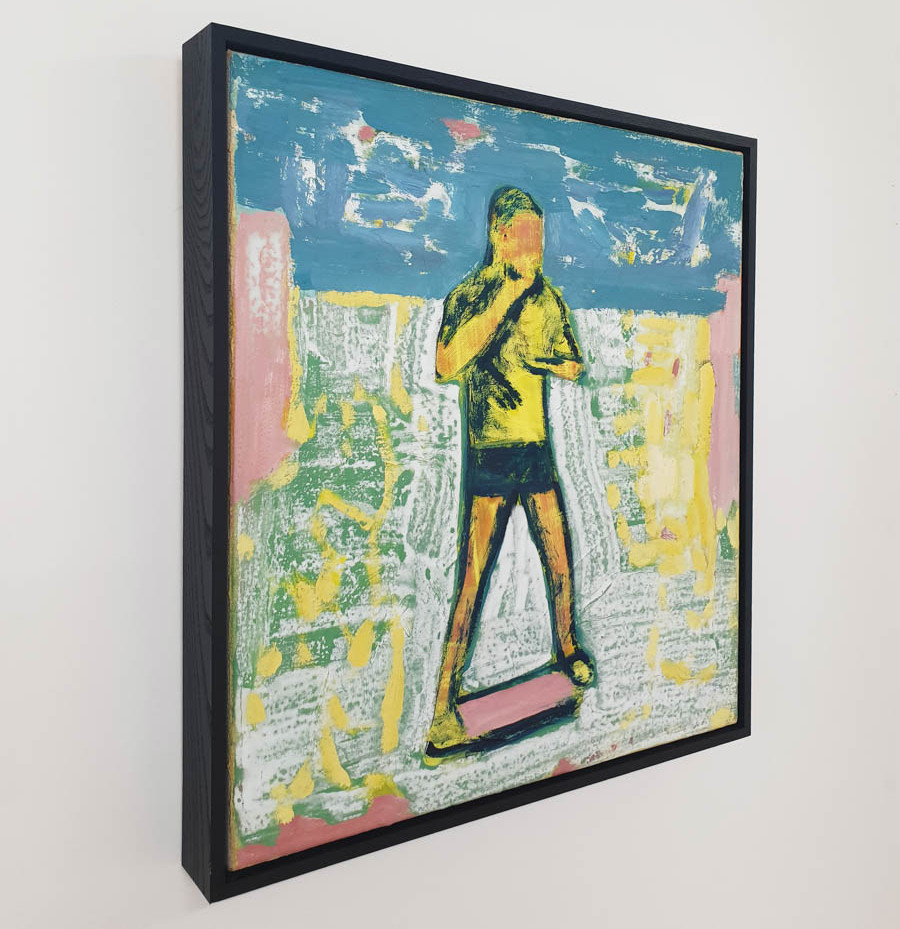
Designed specifically for canvases, floater frames (also called tray frames or gutter frames) give the impression that the canvas is floating within the frame. There's a deliberate gap between the canvas edge and the frame — usually around 5mm — that creates a clean, contemporary look that works beautifully in modern spaces.
Ornate & Traditional
Gold and silver ornate frames have been used for centuries for a reason — they add grandeur and gravitas that some artworks demand. Classic oil paintings, formal portraits, and heritage works often benefit from a frame with a bit more presence. The key is matching the weight of the frame to the weight of the artwork.
Don't Underestimate the Mat Board
The mat board — the border between the artwork and the frame — is one of the most underrated framing decisions you'll make. Get it right and it elevates the whole piece. Get it wrong and even a great frame can feel off.
A few principles worth knowing:
Be cautious with colour-matched mats — echoing a colour from the artwork can pull focus away from the piece rather than enhancing it. There are exceptions, but it's usually worth an expert opinion before committing.
White and off-white mats are the safest and most versatile option for most artworks
Wider mats make artwork feel more significant — galleries often use generously wide mats for this reason
Always use acid-free mat board — acidic materials will damage your artwork over time
Think About Longevity
The frame isn't just decorative — it's protective. The materials you choose affect how well your artwork holds up over time. This is where conservation framing comes in.
Conservation framing uses archival-quality materials throughout — acid-free mats and backing boards, UV-protective glass, and techniques that don't damage the artwork itself. For anything you genuinely care about preserving, it's worth the investment.
We've been conservation framing specialists since Dixie brought the practice back from London in the 1980s. If you're not sure what your piece needs, come in and ask — we'll give you an honest answer.
When In Doubt, Come In
Reading about framing is one thing. Holding a frame up against your artwork in person is something else entirely. The showroom is where it all clicks into place — and our team genuinely loves helping people find the right combination.
We offer obligation-free consultations, and we've done this long enough to make the process feel easy, not overwhelming. Bring your piece, tell us where it's going, and we'll take it from there.